Scoliosis Awareness Month: Real Stories, Real Strength
June is Scoliosis Awareness Month, a time dedicated to raising awareness of scoliosis and supporting individuals and families affected by this condition.
In CSSC's latest awareness video, Teens share their personal experiences living with scoliosis. Through their stories, viewers gain insight into how their scoliosis was discovered and some common experiences when diagnosed late.
Each journey is unique. Some teens discuss wearing a scoliosis brace as part of their treatment plan, while others share their experiences with surgery. Together, their stories highlight the importance of individualized care and early intervention in managing scoliosis.
Beyond treatment, the video emphasizes resilience. The children speak openly about adapting to daily life, the challenges they faced, and the impact on their mental and physical health.
By sharing these real-life experiences, we hope to raise awareness about scoliosis, encourage early screening, and help families feel less alone when facing a diagnosis. Education and understanding are powerful tools in supporting better outcomes for those living with scoliosis.
This Scoliosis Awareness Month, we invite you to watch the video, learn from these inspiring young individuals, and help spread awareness within your community. Together, we can foster greater understanding and support for everyone affected by scoliosis.
Orthobility Bracing At SOSORT
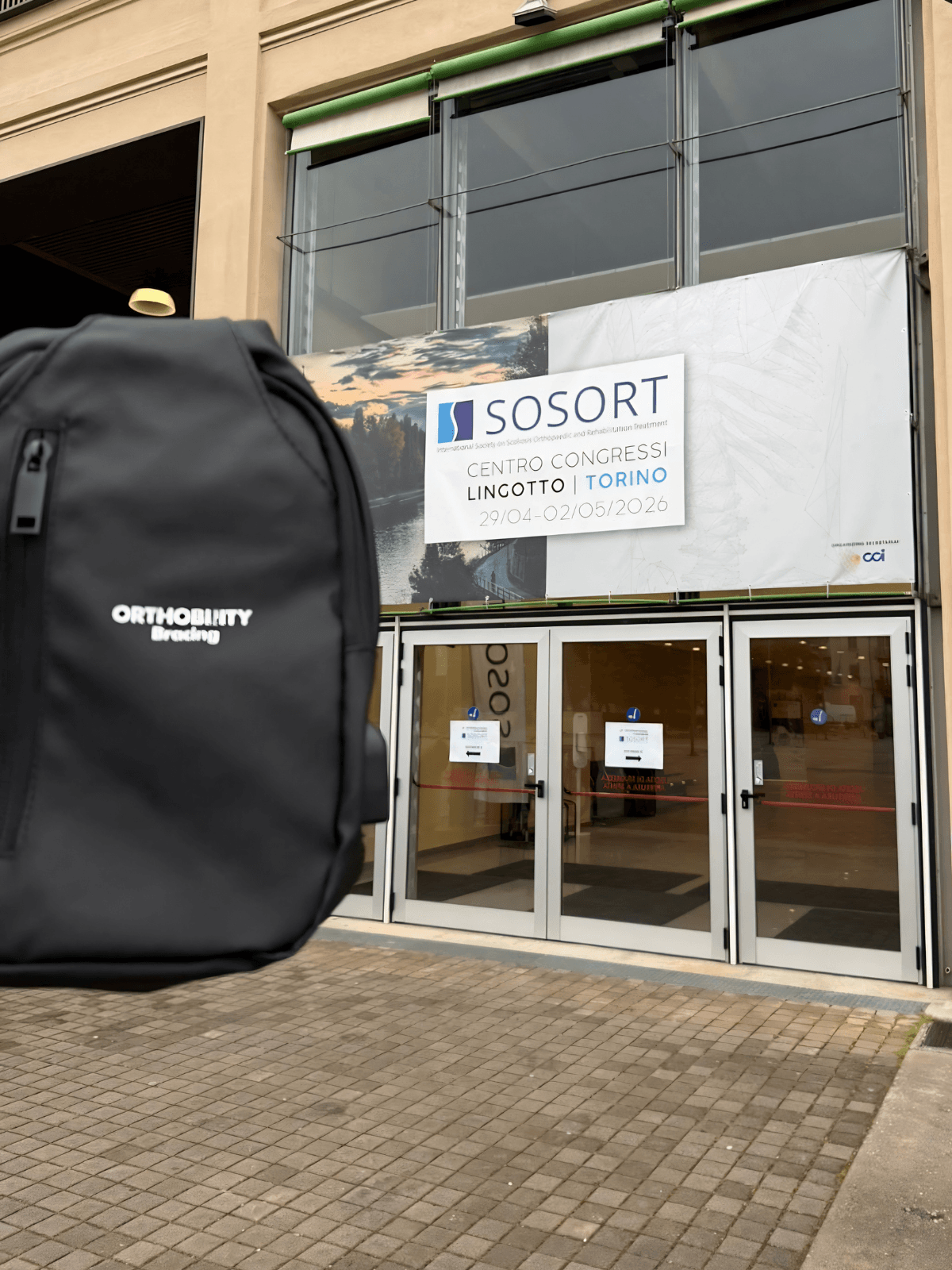
Maksym from Orthobility attended the SOSORT Conference in Italy alongside healthcare professionals, researchers, and clinicians from around the world.
The conference provided an incredible opportunity to learn about the latest advancements in scoliosis treatment, orthotic management, and patient care. We were inspired by the innovative research, collaborative discussions, and shared commitment to improving outcomes for individuals requiring bracing and rehabilitation.
Attending SOSORT allows our team to continue growing our knowledge and bringing evidence-based care and innovation back to our patients and community at Orthobility Bracing.
The conference brought together leading physicians, orthotists, physiotherapists, researchers, and healthcare professionals from across the globe to share the latest research, technologies, and treatment methods in the field of scoliosis and bracing. Through educational lectures, case studies, workshops, and discussions, our team gained valuable insight into advancements in patient-centered care and evidence-based treatment.

Step Right: What to Know Before You Buy Foot Orthotics

What Are Foot Orthotics?
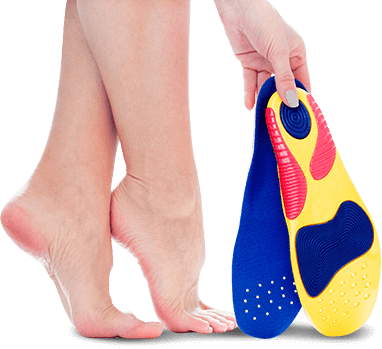
Foot orthotics are specialized devices that fit discreetly inside your shoes. They’re designed to support, align, and improve foot function while addressing various foot and lower-limb issues.
When used alongside proper footwear, orthotics can provide relief from:
- Heel pain
- Arch pain
- Forefoot pain
- Shin splints
- Knee discomfort
They can also be beneficial for individuals managing chronic conditions such as diabetes or arthritis, helping alleviate related pain and complications.
When Orthotics Might Be a Smart Solution
Custom foot orthotics can be a game-changer if you:
- Experience ongoing discomfort in your feet, knees, or lower legs
- Have postural alignment concerns
- Are dealing with specific health-related foot issues
When prescribed and properly fitted, orthotics are tailored to your unique needs and lifestyle, making everyday movement more comfortable and supportive.
Red Flags to Avoid When Purchasing Orthotics
Not all orthotic providers are equal—and some situations should make you think twice before buying:
Avoid:
- Unqualified Dispensers: If the provider can’t modify the orthotics themselves, they may lack specialized training.
- Pop-Up Exhibits or Home Shows: These setups often don’t provide reliable service—or a way to return items if needed.
- Malls or Internet Offers: Short-term booths or online deals might seem convenient but can lack proper fitting and aftercare.
- Mass Screenings: Providers who offer orthotics to an entire family without individual assessments are cutting corners.
- Offers for Children Under 5 Without Medical Input: Custom orthotics for very young children are uncommon and should be guided by a medical doctor or pediatric specialist.
- Practitioners Ignoring Your Footwear: Good orthotics work best in properly fitted, supportive shoes that match your lifestyle.
- Gimmicky Promotions: Offers like “2 for 1” or “free gift with purchase” are not allowed under most ethical codes for licensed providers.
Step with Confidence!
Your feet deserve expert care. If you're considering foot orthotics, make sure you're getting them from a qualified professional who evaluates your needs individually and prioritizes your long-term foot health.
Need help finding the right orthotics provider? Contact us today for trusted guidance and support.
| Posted in:Orthobility BracingOrthotics |
Support for Every Shoulder Injury
Shoulder injuries can happen to anyone—whether you're diving for a ball during a game, taking a tumble, or simply overusing your arm. Common issues include:
- Strains and sprains
- Torn rotator cuff
- Dislocated shoulder
- Shoulder instability
If you're experiencing shoulder pain, the first step is to rest and limit movement. Immobilizing the area and wearing a shoulder brace can help you stay comfortable while waiting for a diagnosis or starting your treatment plan.
Types of Shoulder Braces and What They’re For
Not all shoulder braces are created equal. Here's a breakdown of common types and when they’re most helpful:
Shoulder Stabilizer
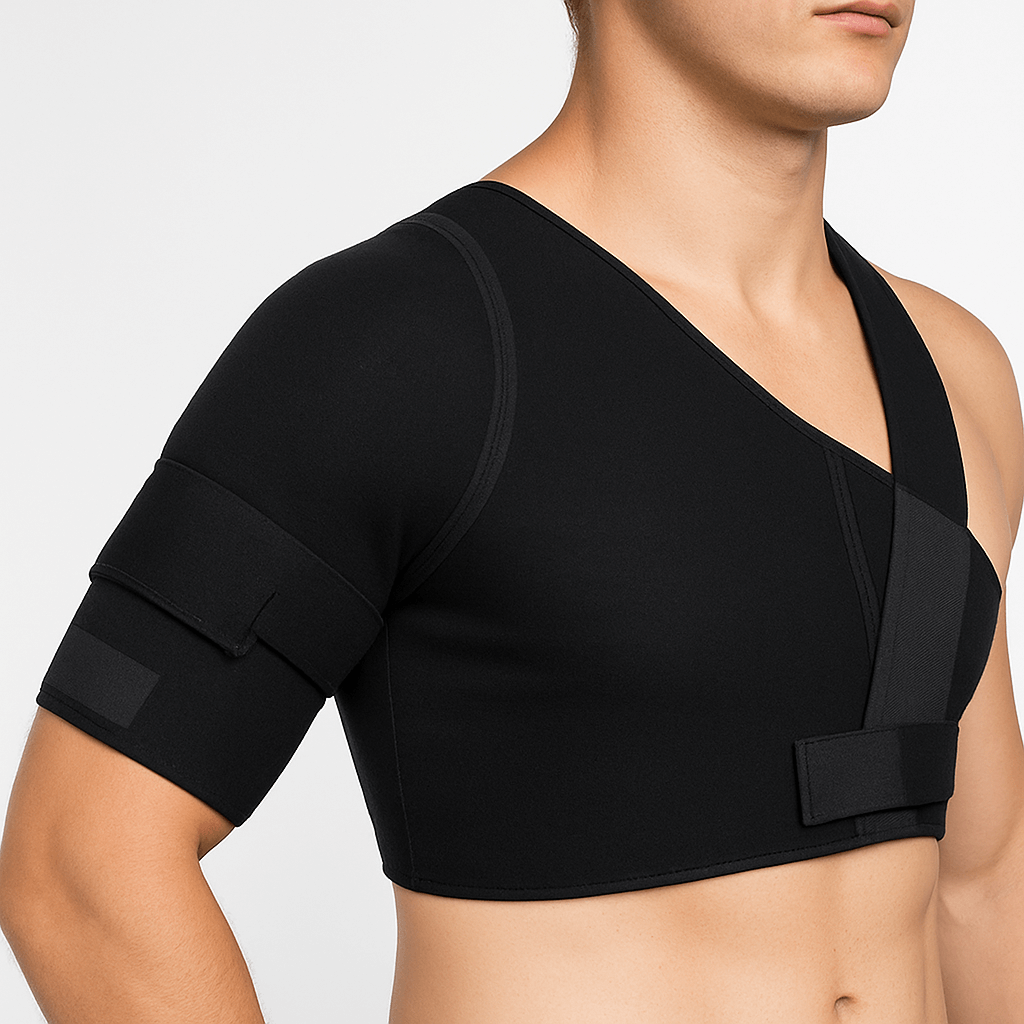
Perfect for both post-surgery recovery and return-to-sport protection, a shoulder stabilizer limits your range of motion and guards the AC joint against further injury. These braces are useful for:
- Dislocations
- Rotator cuff tears
- AC separations
- Muscle strains
Sling
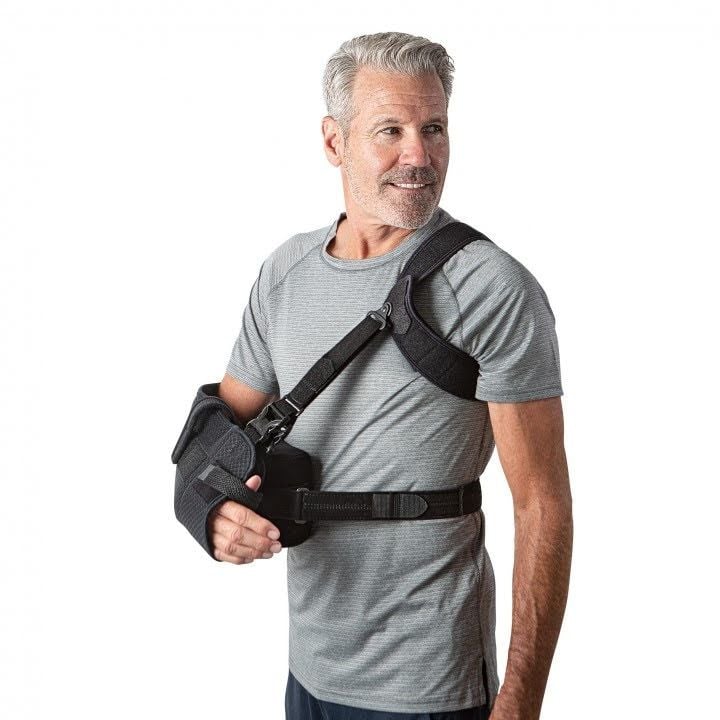
A classic in post-op care, a sling helps keep your shoulder immobilized and reduces the risk of further damage. It’s a go-to choice for:
- Surgical recovery
- Significant shoulder trauma
- Short-term immobilization
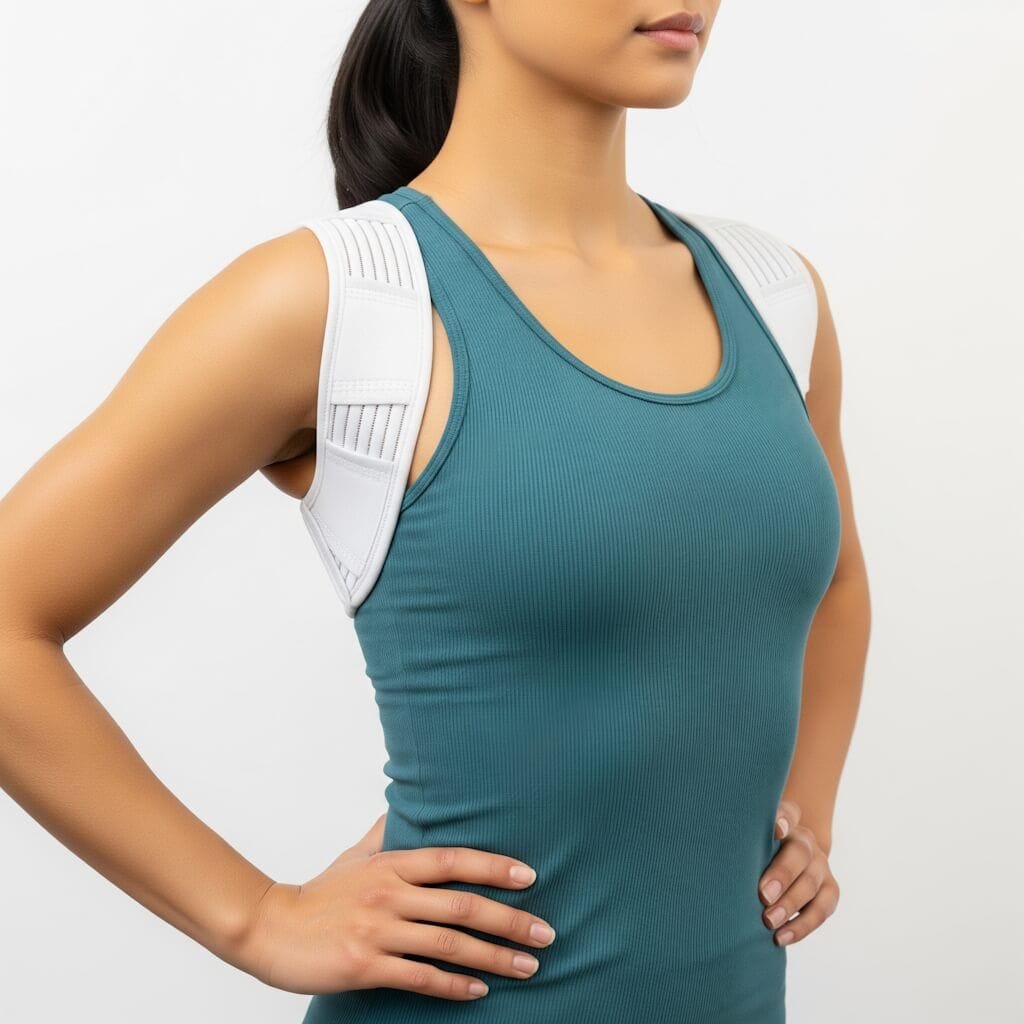
Posture Support
This lightweight brace is worn while sitting, working, or during light activity. It gently pulls your shoulders back and aligns the clavicle to:
- Improve posture
- Relieve neck and shoulder tension
- Support clavicle recovery from strain or trauma
You can wear it over or under clothes, and its adjustable design ensures a comfortable, customized fit.
Don’t Ignore Shoulder Pain
If your shoulder is sore, stiff, or unstable, don’t push through the pain—see a doctor for a proper diagnosis. Based on your condition, they might recommend a specific shoulder brace to aid in healing and keep you safely supported. And if you’re hoping to get back into sports or everyday activities, using the right brace will help reduce your risk of re-injury.
Need help finding the right shoulder brace? Reach out to us today—we’re here to support your recovery every step of the way.
| Posted in:shoulder bracingshoulder immobilizerBrace |
HIGGY BEARS & SCOLIOSIS
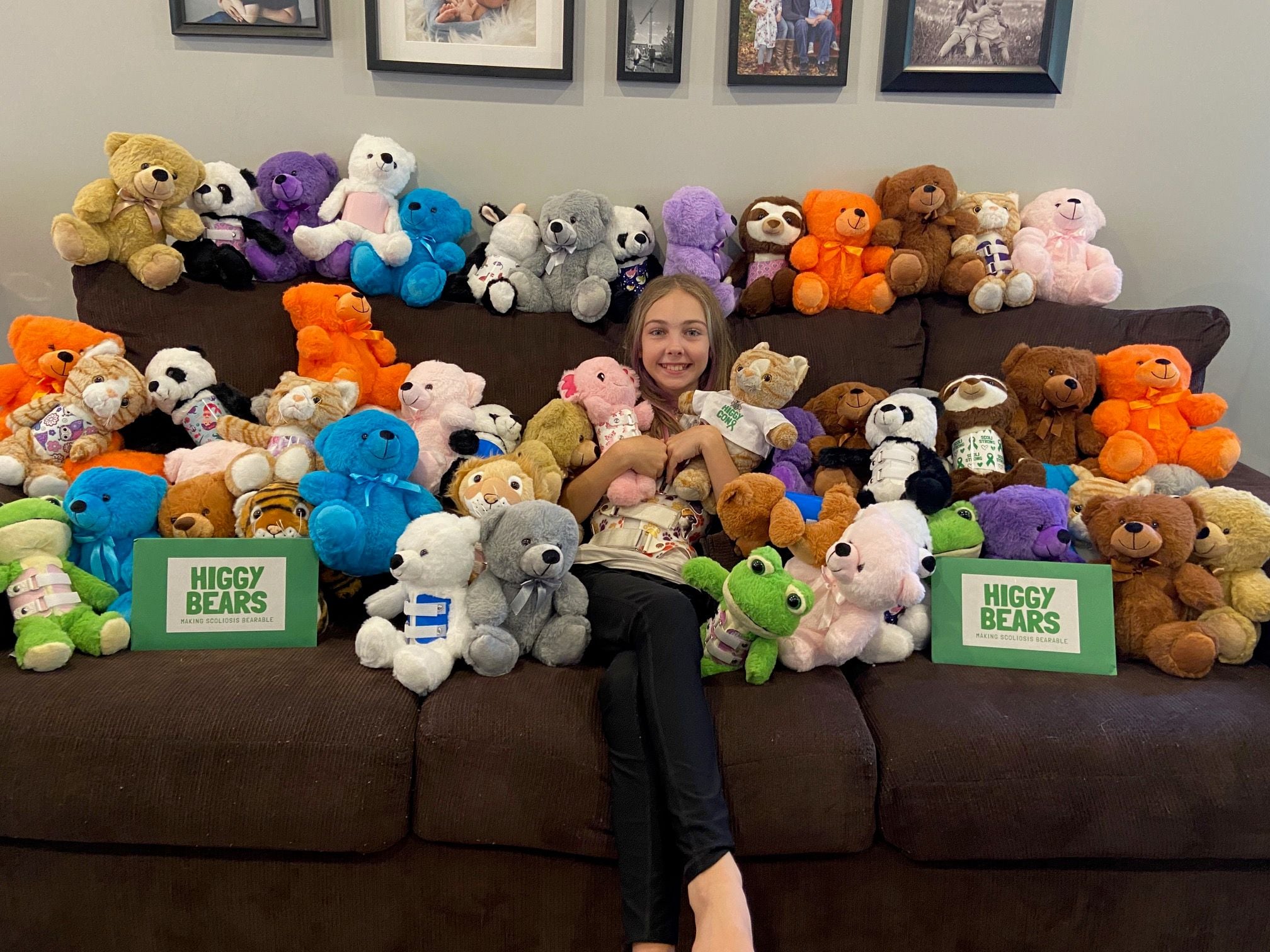
The staff at Orthobility Bracing are very grateful for the generous gift given to our clinic by one of our young clients. She has raised money for a Higgy Bear fundraiser and was one of the top contributors, so she was gifted Higgy Bears to donate to someone special. We can now share these bears with other kids dealing with scoliosis to comfort them as they start their scoliosis journey.
Feel free to donate below to the Higgy Bear Foundation to help more kids get Higgy Bears! Every donation counts and helps get a Higgy Bear to a child/teen with scoliosis. The cost of each Higgy Bear is $10 (USD). Thank you for your support!
| Posted in:Orthobility BracingScoliosis |