Scoliosis
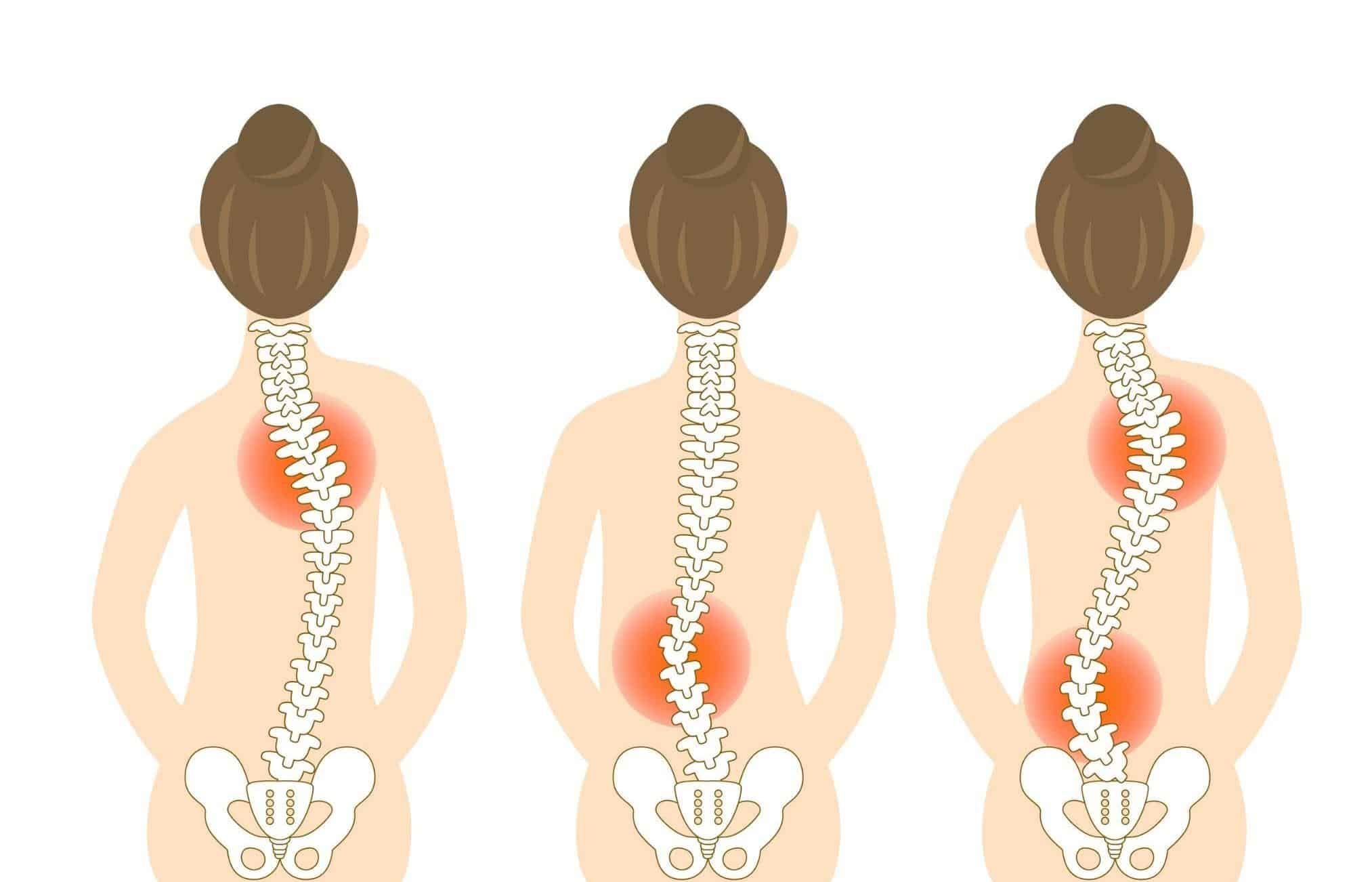
Scoliosis is a condition where an individual's spine curves three-dimensionally, consisting of a side-to-side and rotational component. The most common type is idiopathic scoliosis. If it is detected while the spine is growing, treatment may be indicated. The Gold standard for conservative treatment is hard shell custom bracing.
WHAT IS A SCOLIOSIS BRACE?
A scoliosis brace is a stiff jacket that fits around the torso, from underneath the arms down to the hips. It has straps to keep it in place and straighten the spine.
Doctors prescribe the brace hoping it will stop the curve from getting worse and help kids avoid spinal fusion surgery.
TYPES OF BRACES
There are various types of braces used to assist in spinal correction. All come with various styles and philosophies to treat the condition and have varying degrees of success. They should be combined with some sort of physical therapy for more effective results.
Some of these braces are:
Wilmington & Boston brace: These jacket-style braces treat moderate curves in the ribcage and lower spine. Both have good results documented.
Custom Gensingen Cheneau: Designed with a 3-dimensional body scan and X-rays. It is an over-corrective brace with documented effective results. We are the leading fabricators of the Gensigen brace in Canada, where we make it in-house.
Charleston Bending Brace: This brace is worn only at night.
Milwaukee Brace: This is a solid piece of plastic that fits around the hips and waist with vertical bars in the front and back that attach to a ring around the child's neck. It is worn during the day only and is rarely used anymore.
SpineCor: This is a more flexible bracing method that uses bands and a cotton vest.
Braces are designed to fit snugly against the body; therefore, some minor skin irritation issues are common from the heat and rubbing of the brace. Protecting the skin through these various ways is important:
1. Follow the instructions for cleaning and caring for the brace
2. Be sure your child wears a thin, tight-fitting, sweat-wicking shirt under the brace
3. Keep an eye on any heat spots causing redness on the skin. If they persist, contact your doctor or orthotist who has made and fitted the brace for you.
CONTACT US FOR A FULL ASSESSMENT OF YOUR BACK CONDITION AND WHAT WE CAN DO TO HELP!
sales@orthobilitybracing.ca
| Tags:Orthobility BracingTrevor DaSilva |